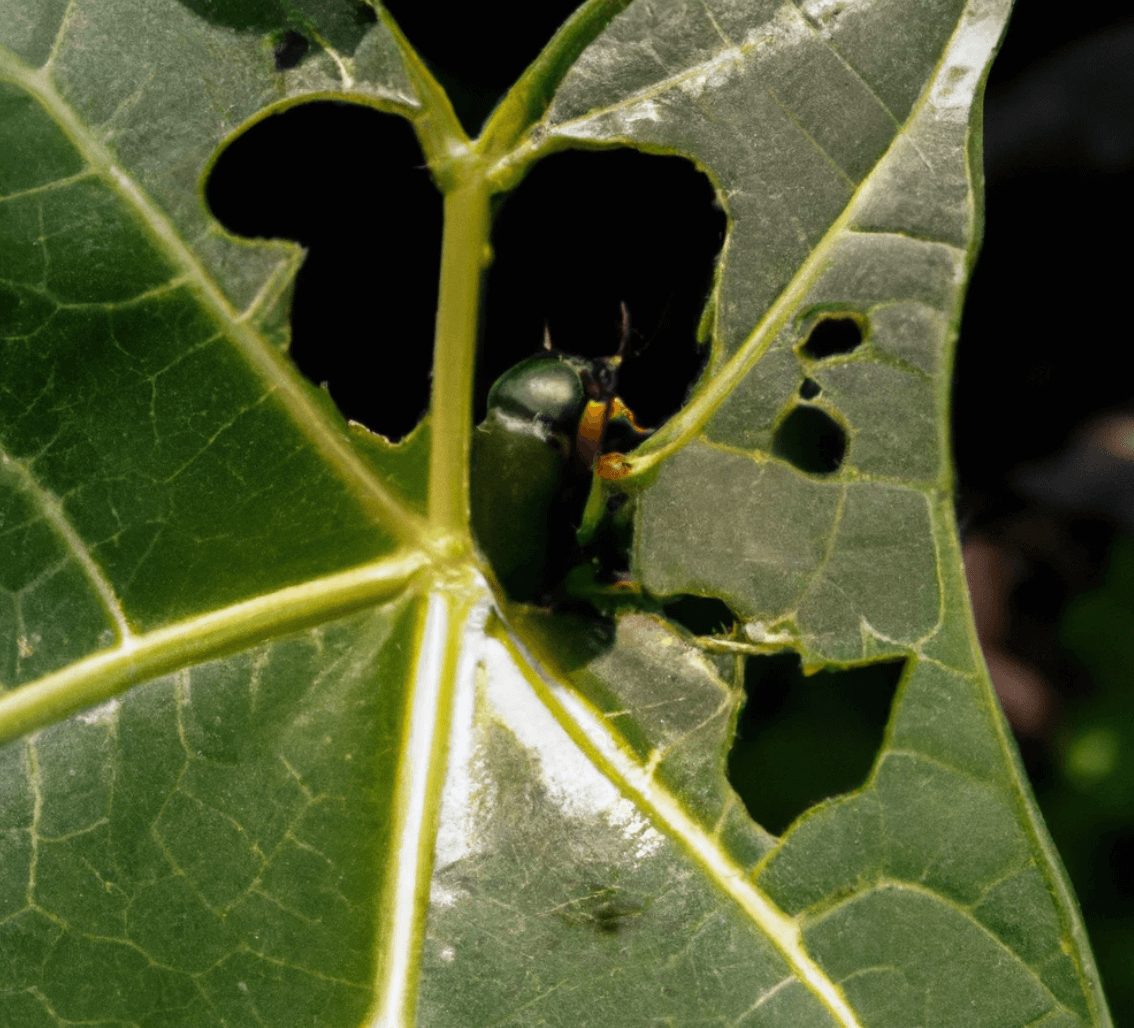
Pests are a common problem that can wreak havoc on your home and garden. While chemical pesticides are often used to control them, they come with a host of potential health and environmental hazards. Natural pest control is an eco-friendly alternative that uses non-toxic methods to keep pests at bay. In this article, we will explore the different types of natural pest control and how you can implement them to protect your home and garden.
Biological Control
Biological control involves the use of natural predators, parasites, or diseases to control pests. For example, ladybugs are a natural predator of aphids, and can be used to control their population in your garden. Nematodes are microscopic worms that can be used to control soil-dwelling pests like grubs and caterpillars. Introducing these natural predators into your garden can help keep pests under control without the use of harmful chemicals.
Cultural Control
Cultural control involves modifying the environment to make it less hospitable to pests. For example, planting certain herbs like basil and mint can repel pests like mosquitoes and flies. Keeping your garden clean and free of debris can also reduce the likelihood of pests taking up residence. Additionally, using crop rotation and companion planting can help prevent the buildup of pests in your garden over time.
Mechanical Control
Mechanical control involves physically removing pests or creating barriers to prevent their entry. For example, using sticky traps can capture flying insects like fruit flies and gnats. Installing screens on windows and doors can prevent mosquitoes and other pests from entering your home. Additionally, handpicking pests like caterpillars and slugs can be an effective way to control their population without using chemicals.
Chemical Control
Chemical control should be used as a last resort and only in cases where natural methods have failed. However, there are still natural options available for chemical control. For example, diatomaceous earth is a natural powder that can be used to control pests like ants and fleas. Essential oils like peppermint and lavender can also be used to repel pests. When using chemical control, it is important to use organic and non-toxic options to minimize harm to the environment.
Implementing natural pest control in your home and garden may take some trial and error, but it is well worth the effort. By using natural methods, you can protect your home and garden from pests while also minimizing the harm to the environment and your health.
Bibliography:
- “Biological Control of Garden Pests.” University of California Agriculture and Natural Resources, 2022, ucanr.edu/sites/gardenweb/Under_the_Sun/Biological_Control_of_Garden_Pests/.
- “Cultural Control of Pests.” Penn State Extension, 2022, extension.psu.edu/cultural-control-of-pests.
- “Mechanical and Physical Control of Pests.” University of Minnesota Extension, 2022, extension.umn.edu/pest-management/mechanical-and-physical-control-pests.
- “Natural Pesticides: Safe and Effective Solutions for a Healthy Garden and Yard.” National Pesticide Information Center, 2022, npic.orst.edu/pest/natural.html.