
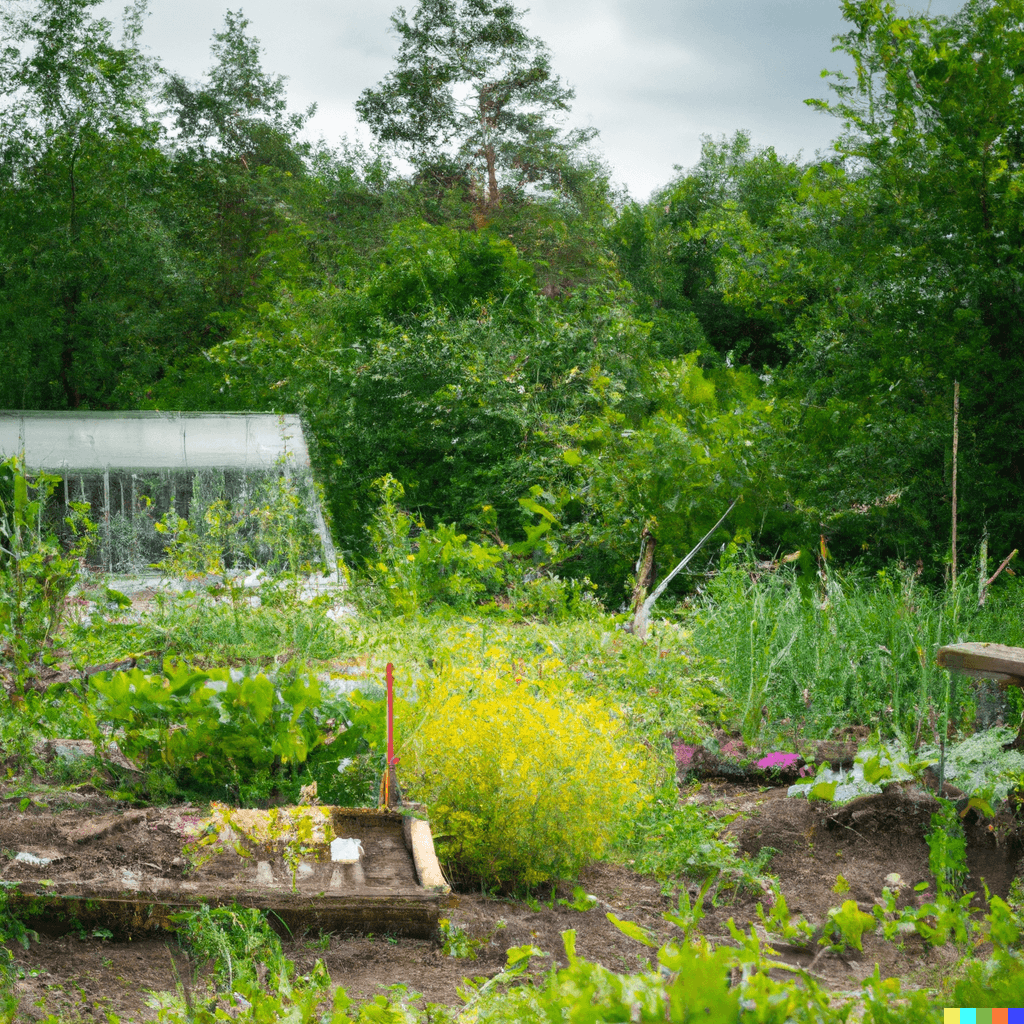
Picture yourself standing in the middle of a beautiful, lush farm. You can see the vibrant colors of crops and flowers, hear the buzzing of bees, and feel the cool breeze blowing through the trees. This is agroecology in action, a holistic and sustainable approach to agriculture that prioritizes the well-being of the environment and the people involved in food production.
Agroecology is not a new concept; in fact, it has been practiced for thousands of years by indigenous communities around the world. However, in recent decades, agroecology has gained renewed attention as a promising path towards a more sustainable and equitable food system.
One inspiring example of agroecology in action is the work of Zephaniah Phiri Maseko, a farmer from Zimbabwe who has dedicated his life to promoting sustainable agriculture practices. Zephaniah grew up in a farming community where chemical inputs were heavily promoted by the government and agribusiness companies. However, he soon realized that these practices were not only harmful to the environment but also unsustainable in the long run.
Zephaniah started experimenting with agroecology practices such as intercropping, cover cropping, and natural pest control. He also encouraged his fellow farmers to adopt these practices, organizing workshops and field days to share his knowledge and experience. Today, Zephaniah is widely recognized as a leader in the agroecology movement, and his farm serves as a model for sustainable agriculture practices in Zimbabwe and beyond.
Another inspiring example of agroecology is the work of the Land Institute, a nonprofit organization based in Kansas that is dedicated to developing perennial crops that can sustainably feed the world. The Land Institute's research focuses on developing crops such as Kernza, a perennial grain that can produce high yields without the need for annual tilling or planting.
The Land Institute's approach is based on the principles of agroecology, emphasizing the importance of biodiversity, soil health, and ecosystem resilience. By developing perennial crops that can thrive without the use of chemical inputs and annual tilling, the Land Institute is promoting a more sustainable and resilient food system that can help to mitigate the impacts of climate change and conserve biodiversity.
Agroecology is not just a technical approach to agriculture; it is also a social movement that emphasizes the importance of social justice and equity. One example of this is the work of La Via Campesina, a global peasant movement that advocates for the rights of small-scale farmers and food producers.
La Via Campesina promotes agroecology as a way to build a more sustainable and equitable food system that prioritizes the needs and interests of small-scale farmers and local communities. By promoting local food systems, empowering small-scale farmers, and advocating for land rights and fair trade policies, La Via Campesina is working to build a more just and sustainable food system for all.
In conclusion, agroecology offers a promising path towards a more sustainable and equitable future. Through the promotion of biodiversity, resilience, and social justice, agroecology provides a holistic and sustainable approach to agriculture that can help to mitigate the impacts of climate change, conserve biodiversity, promote food security, and enhance the well-being of local communities.
Bibliography:
- Altieri, Miguel A. “Agroecology: A New Research and Development Paradigm for World Agriculture.” Agroecology and Small Farm Development, 1992, pp. 1–9.
- La Via Campesina. “What Is Agroecology?” La Via Campesina, 2021, https://viacampesina.org/en/what-is-agroecology/.
- The Land Institute. “Agroecology.”